Revealing the Hidden Dangers of Unqualified Plastic Cups? (Part Five)
A cup has a story, life has warmth—hello everyone, "Dong Dong's Cup Talk" is here. In previous articles, I have shared information about various plastic materials used to produce plastic cups. Friends who want to learn more can refer to my earlier posts. https://www.umbottle.com/ProductsDetail-VB-10155.htmlToday, I’d like to discuss the potential hazards of unqualified plastic cups, especially those designed for children and infants. Therefore, regarding materials, I will only talk about plastic cups made from PP, PPSU, and TRITAN, as well as the issues associated with unqualified plastic cups. Given the extensive content, I will still share this information in several separate posts.
In previous posts, much of the content has been split into multiple parts. Some eager friends may have only read one post on the topic they were concerned about. https://www.umbottle.com/ProductsDetail-VB-10155.htmlIf you want a comprehensive understanding, please read through the posts in order. I have tried to cover each aspect thoroughly to address your concerns.
V. Other Specific Issues with Unqualified Plastic Cups
1. Thin Material That Softens with Hot Water
- Issue: The cup wall does not meet the required thickness. When filled with hot water above 60°C, the cup body becomes noticeably soft and easily deforms when held. https://www.umbottle.com/ProductsDetail-VB-10155.htmlThis not only affects the user experience but may also cause the lid to pop open, leading to hot water splashing and causing burns.
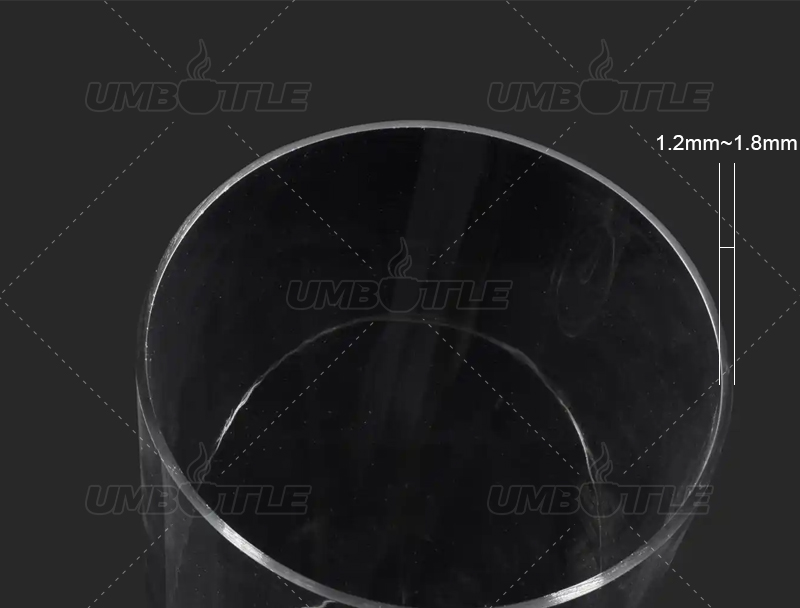
- Data Reference: Qualified PP or Tritan cups typically require a wall thickness of at least 0.8mm (currently, qualified plastic cups on the market usually have a wall thickness of 1.2mm-1.8mm). Inferior products may have a thickness of only 0.5mm or even less.
2. Poor Structural Design Posing Safety Hazards
- Issues:
- Easy-to-Detach Lid Seals: Infants may pry them out and accidentally swallow them.
- Hard-to-Clean Areas in Straws: Complex straw structures make thorough cleaning difficult, fostering the growth of mold, E. coli, and other bacteria. https://www.umbottle.com/ProductsDetail-VB-10155.htmlLaboratory tests have found that the total bacterial count on the inner walls of straws in children’s straw cups that have not been thoroughly cleaned for a month may exceed 1,000 CFU/cm².
- Overly Sensitive or Non-Locking One-Button Open Mechanisms: These can easily open accidentally in bags, causing leaks.
- Loose Small Parts: Decorative components may detach easily, posing a choking hazard for infants and young children.
3. Poor Manufacturing and Workmanship
- Issues:
- Impurities and Contamination: Visible black spots or impurities in the plastic may indicate the use of inferior recycled materials or unsanitary production environments.
- Severe Burrs (Sharp Edges): https://www.umbottle.com/ProductsDetail-VB-10155.htmlSharp plastic burrs may be present at the cup mouth, threads, or internal seams, potentially causing cuts to the user, especially to the lips and fingers of children.
There are stories in the cup, and life has warmth. Use the right cup and choose the right factory. We have dozens of patented cup and pot products and provide OEM services to the world. We have dozens of professional engineers who provide cup and pot product development services to the world. We have multiple complete current cup and pot product production lines to provide OEM services to the world. Dongguan Zhan Yi Commodity Technology Co.,Ltd. attaches great importance to contracts and quality. We welcome global merchants to conduct on-site factory inspections and in-depth cooperation.